

Porto Montenegro
Tivat, Montenegro 2010 - 2019, then 2026
Building an International Waterfront Destination
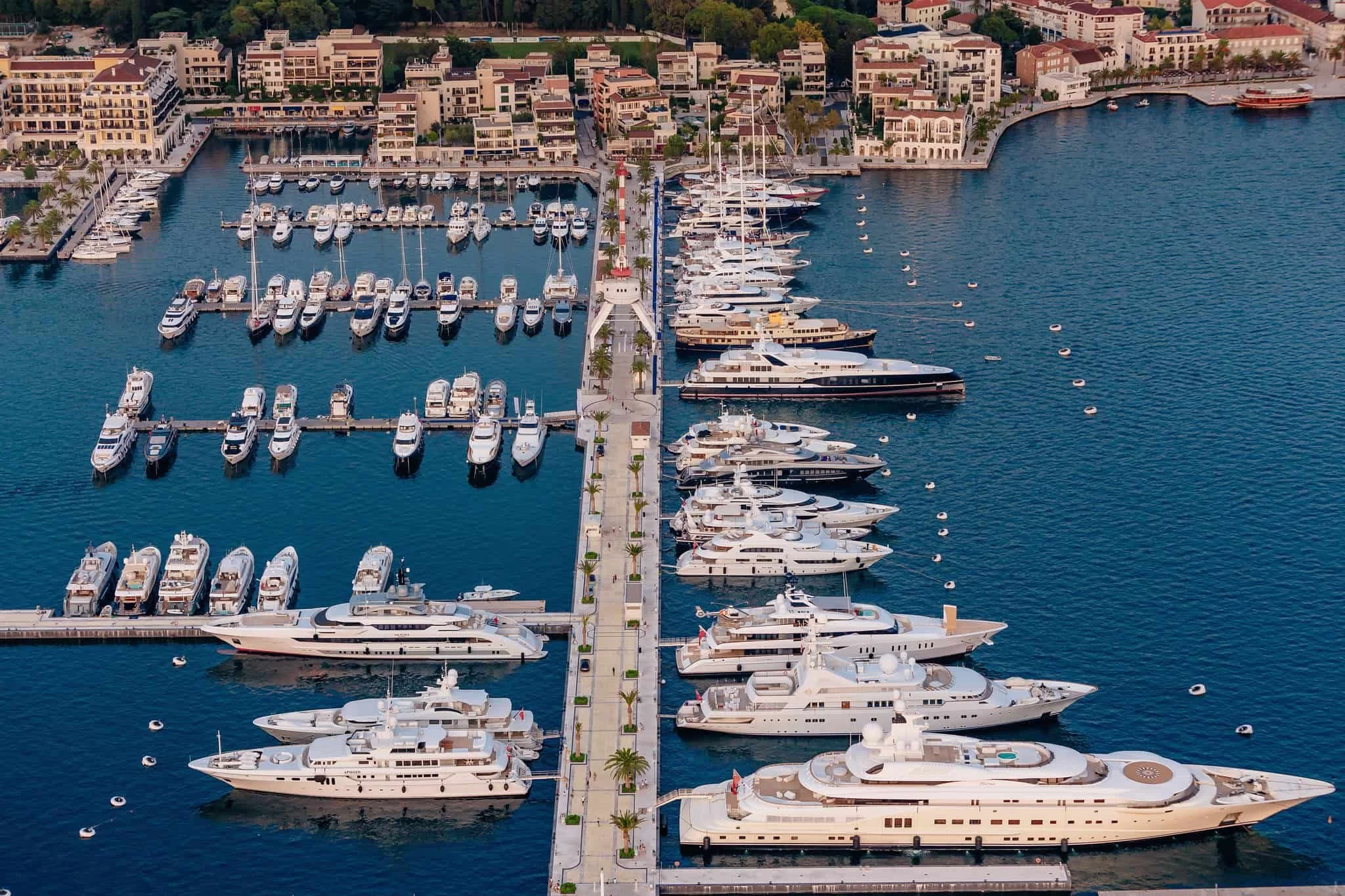
Porto Montenegro is a landmark mixed-use waterfront development on the Bay of Kotor, created through the transformation of a former naval base into an international marina destination combining residences, hospitality, retail, restaurants, leisure, culture and yachting.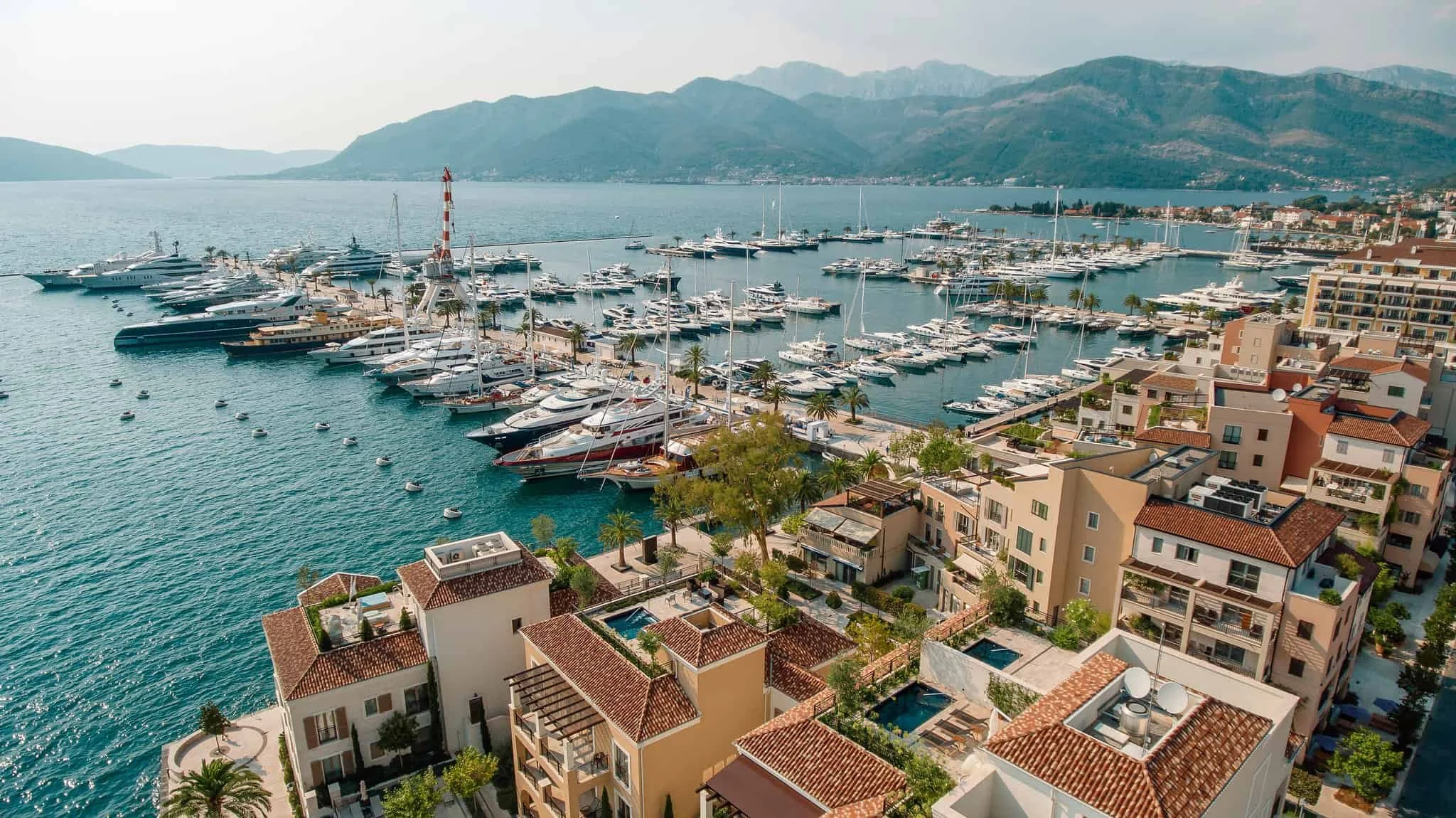
Destination Positioning
·
Brand. Strategy
·
Placemaking & Public Realm
·
Destination Positioning · Brand. Strategy · Placemaking & Public Realm ·
Matt Aspiotis Morley joined Porto Montenegro in 2010 as Head of Marketing, subsequently becoming Brand Director and remaining closely involved with the development for approximately nine years.
His role extended well beyond conventional real estate marketing, encompassing destination positioning, brand strategy, residential and marina commercialisation, hospitality, retail and F&B, cultural programming, partnerships, events and the wider experience of the destination.
In 2026, Green Healthy Places was invited back to Porto Montenegro to undertake a new commission focused on placemaking and public realm, extending a relationship with the destination that began during its formative years.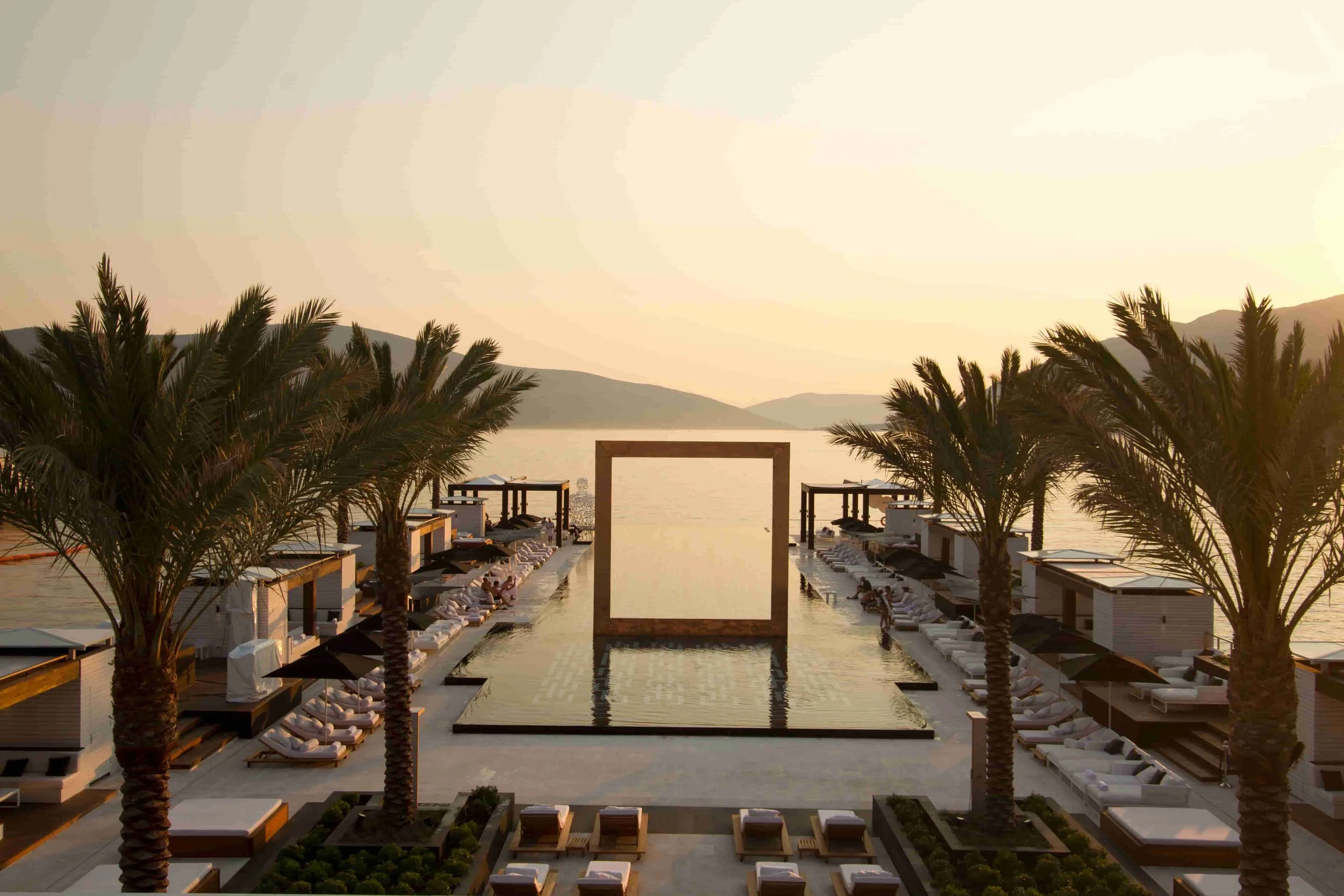
The Challenge When Matt joined Porto Montenegro in 2010, the development was still at an early stage. The challenge was not simply to sell residences or marina berths, but to establish an entirely new destination in an international market with relatively limited awareness of Montenegro. The initial audiences were centred around the international yachting community and second- and third-home buyers, before gradually broadening towards hospitality guests, leisure travellers and a wider destination audience. At the same time, limited international air connectivity and relatively low recognition of Montenegro as a luxury destination created a significant barrier to growth. The strategic question was therefore considerably larger than conventional development marketing: How do you put a new destination on the international map?

Building the Destination During the first four years, Matt served as Head of Marketing, reporting directly to the CEO and leading a 12-person marketing team with an annual budget of approximately €3 million. The remit covered the full spectrum of destination and brand development: positioning and narrative, audience strategy, residential and marina marketing, international PR, digital communications, content, sales collateral, partnerships, events, cultural programming, stakeholder engagement and destination activation. As Porto Montenegro expanded, the proposition evolved with it. The marina and residences provided the foundations, but creating a compelling destination required a much richer ecosystem of hospitality, retail, restaurants, leisure, culture, events and public spaces. The objective was to ensure that these individual components did not operate as disconnected amenities. Each needed to contribute to a coherent Porto Montenegro experience and reinforce the wider positioning of the destination.
From Brand Strategy to Place Development From 2014, Matt transitioned into a fractional Brand Director role. While no longer responsible for managing the internal marketing team, he retained responsibility for the Porto Montenegro brand while becoming increasingly involved upstream in the development of new concepts, businesses and residential districts. This represented an important evolution in the role: from communicating the destination to helping shape what the destination could become. Brand and market insights informed early-stage product concepts and propositions, including ideas that subsequently contributed to development briefs taken forward by masterplanners, architects and specialist design teams. The work increasingly occupied the territory between real estate development, destination strategy and placemaking—using an understanding of target audiences, brand positioning and visitor experience to inform decisions about the physical and commercial composition of the place.
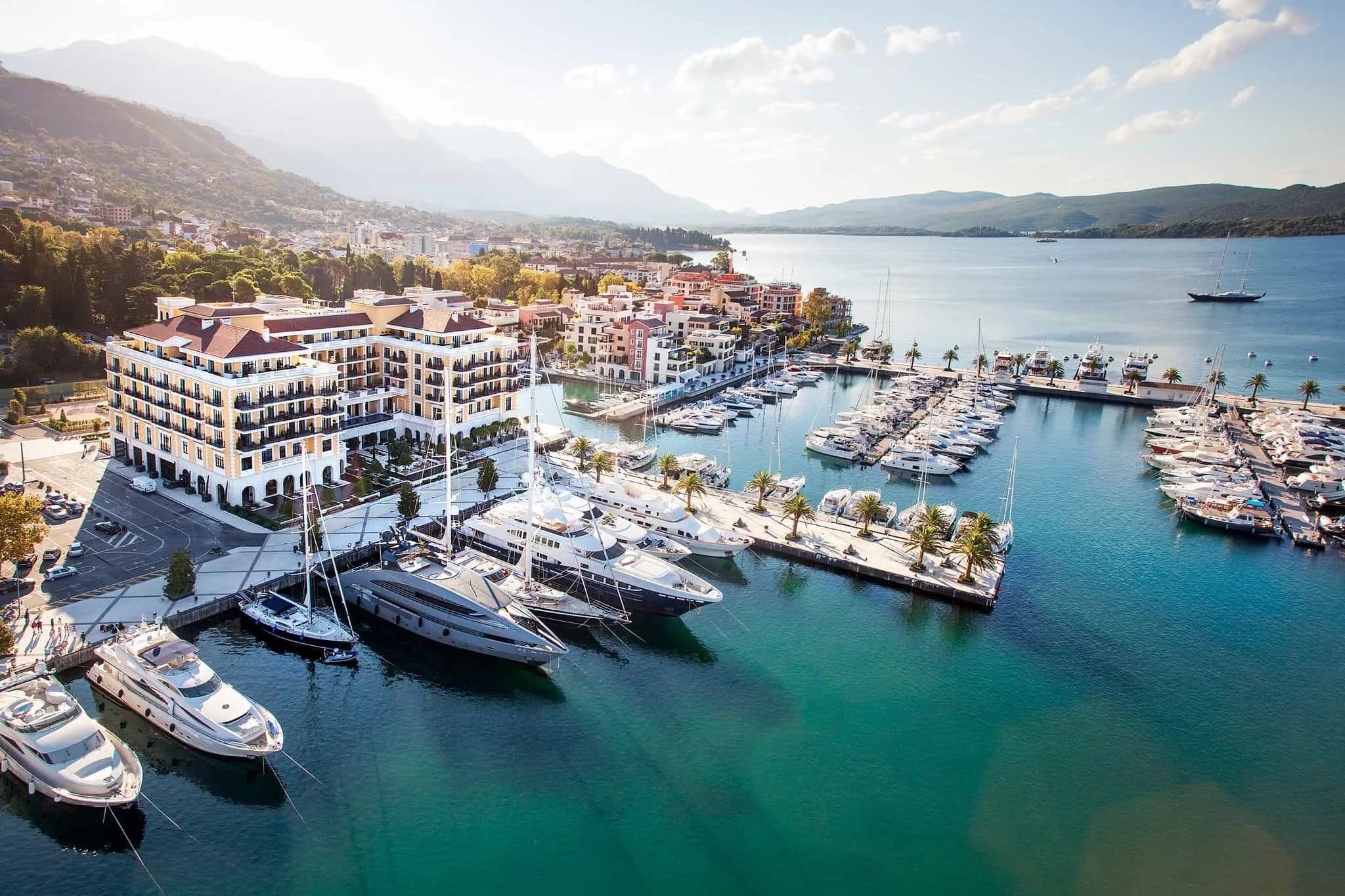
Creating Critical Mass Porto Montenegro’s development also coincided with a wider transformation in perceptions of Montenegro. In the early years, promoting the destination internationally could be an uphill task. Awareness was limited, international air connectivity remained relatively constrained and Porto Montenegro was one of very few substantial developments investing seriously in positioning Montenegro within international yachting, luxury residential and leisure markets. Over time, other major developments entered the market and began promoting Montenegro internationally. Rather than simply creating competition, this helped establish critical mass. International PR, sales activity, events and greater investment in the country’s luxury tourism proposition collectively increased visibility and helped reposition Montenegro for a new generation of international visitors, yacht owners and property buyers. Porto Montenegro evolved within that changing context—from an early mover establishing an unfamiliar proposition to an increasingly mature destination within a recognised Adriatic luxury market. The challenge had shifted from creating awareness and demand to continually improving the quality of the destination experience.
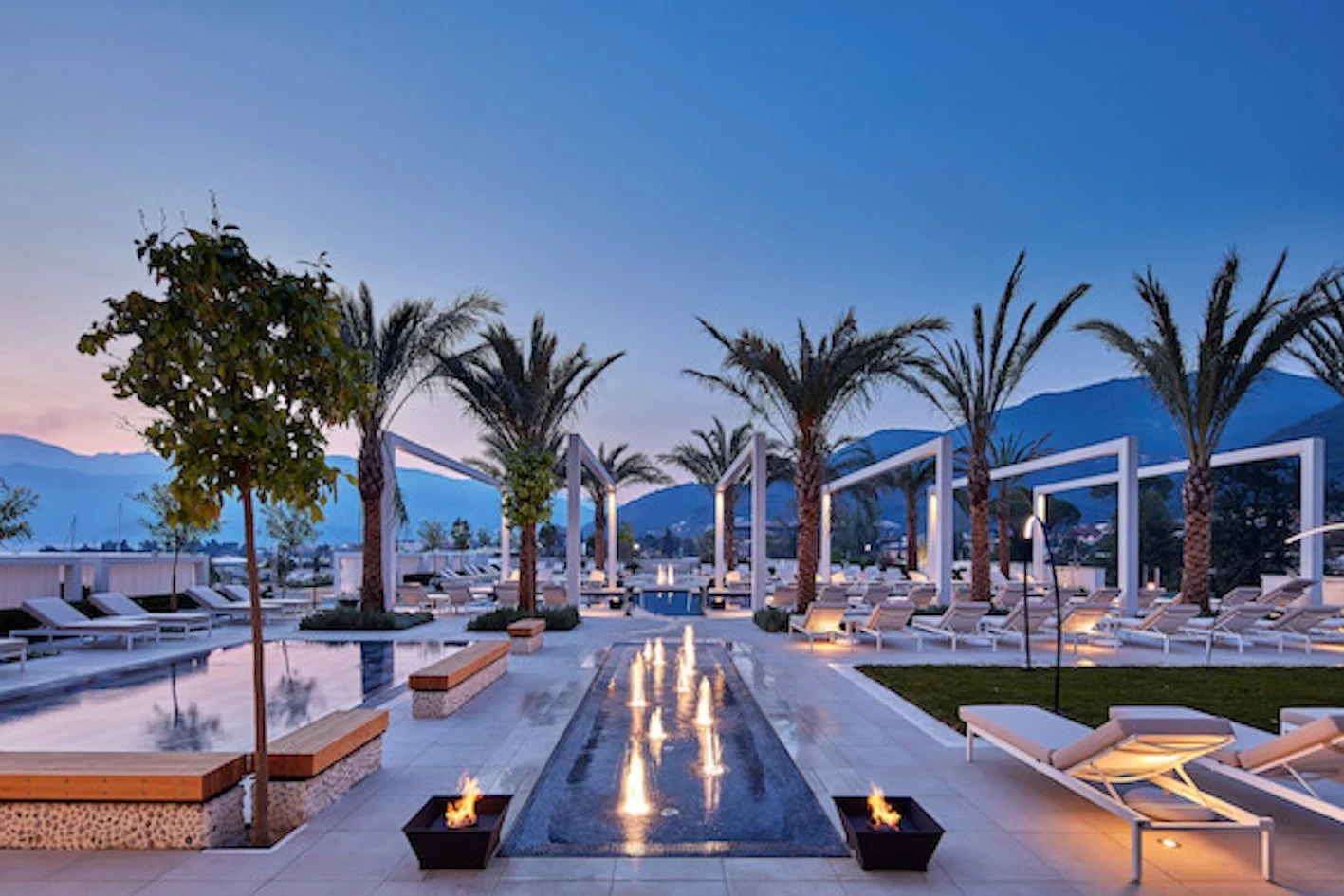
Returning to Porto Montenegro Public Realm Uplift 2026 In 2026, Green Healthy Places was invited back by Porto Montenegro’s Operations Director to undertake a strategic review of the public realm ahead of the summer season. The reason for returning to someone with extensive prior knowledge of the development was practical as much as strategic. The programme was highly compressed: approximately one month was available to assess the destination and develop recommendations, followed by approximately two months in which the Operations team could implement priority interventions ahead of summer. Further recommendations could then be incorporated into subsequent winter works. The assignment therefore required the ability to understand the destination immediately, identify where intervention would have the greatest effect and distinguish between tactical improvements and longer-term opportunities. The approved study examined six interconnected areas: façades and retail/F&B terraces, arrival experiences, paving and material transitions, streetscape and micro-mobility, site-wide wayfinding, and landscape and planting.
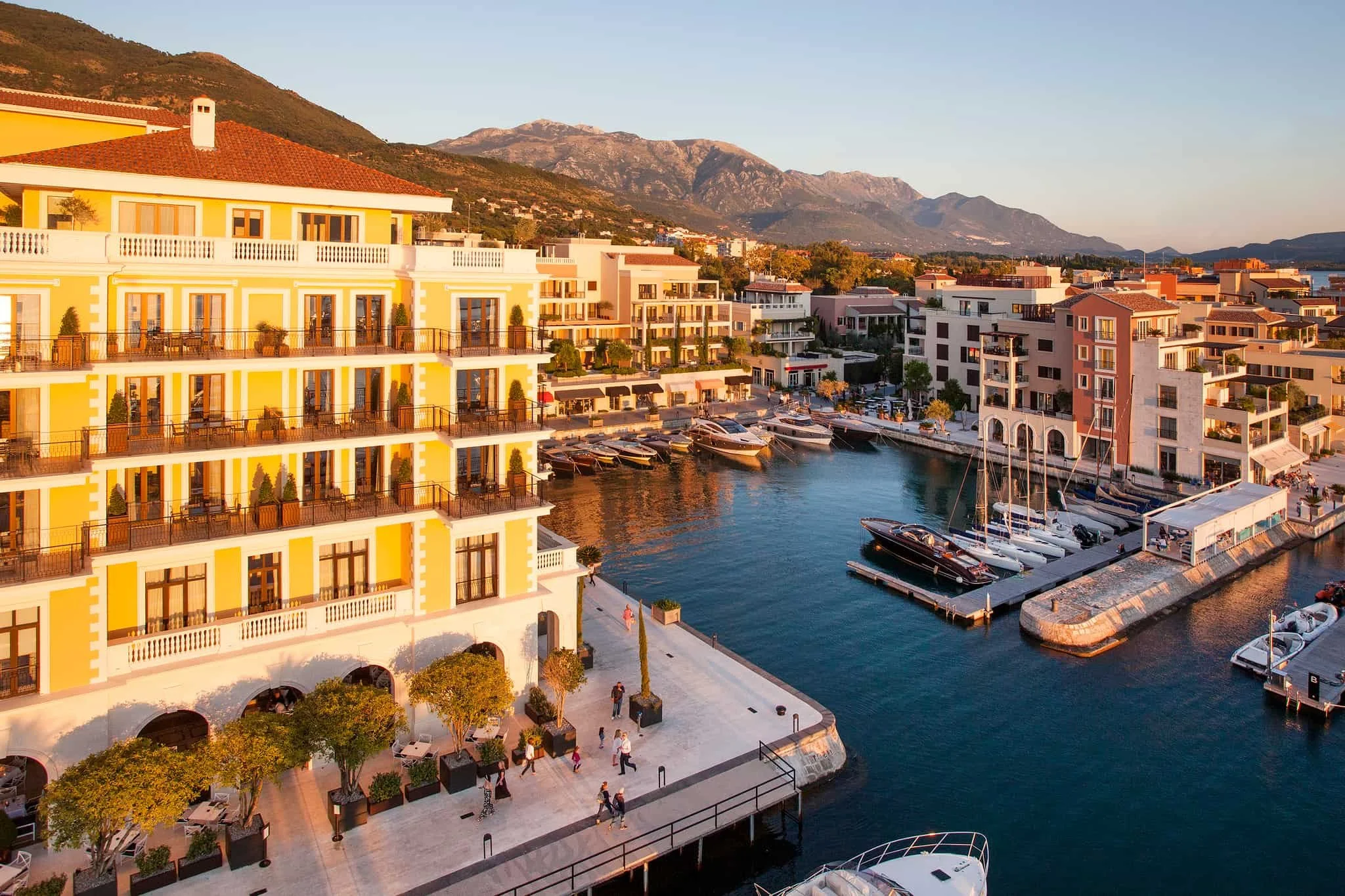
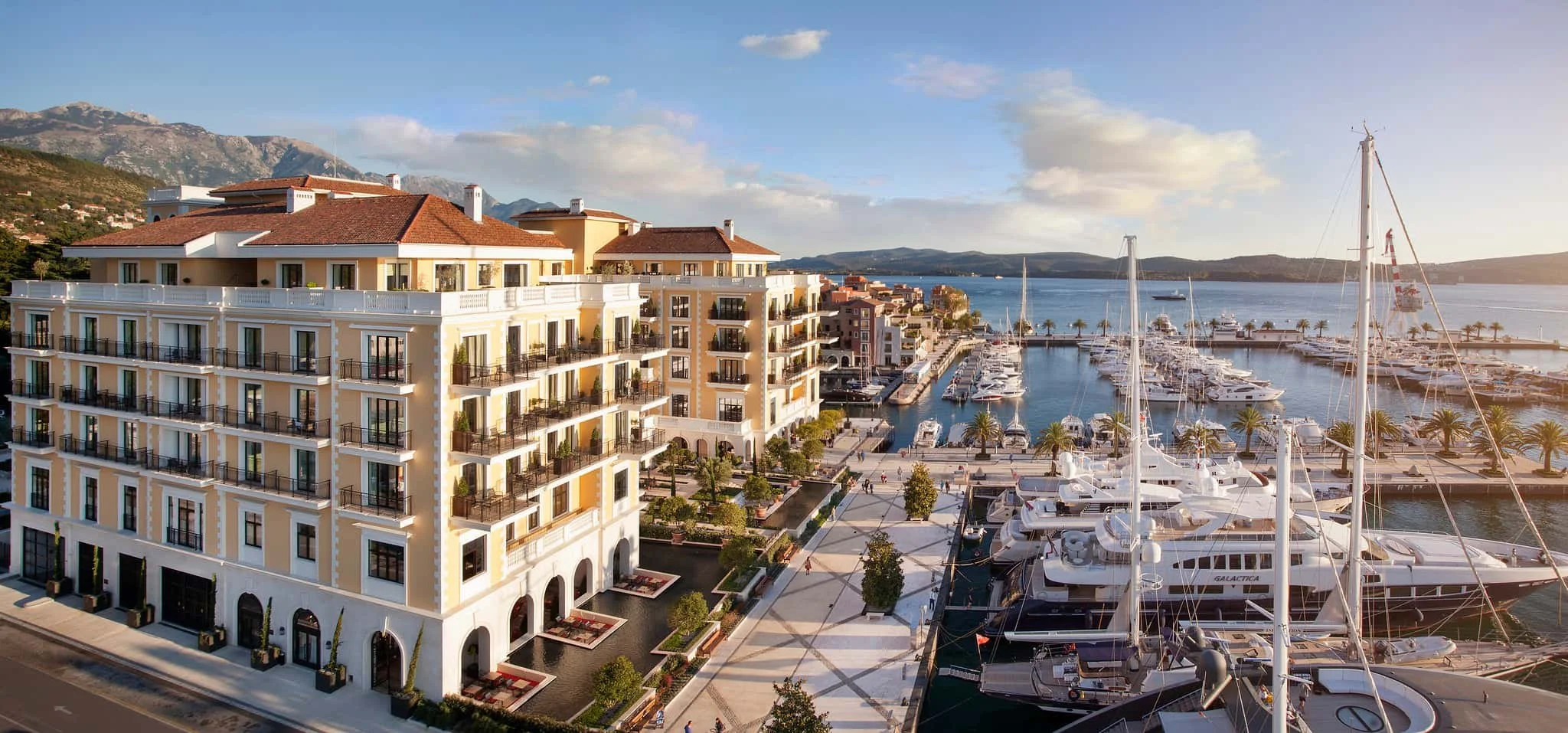
Benchmark. Audit. Prioritise. The process began with international benchmarking, identifying relevant principles from established mixed-use destinations around streetscape consistency, public and private boundaries, placemaking, wayfinding and the use of landscape as a spatial tool. These principles informed a detailed site audit and prioritisation process. Rather than approaching the public realm as a collection of isolated design issues, the review considered how arrival, circulation, landscape, signage, commercial terraces, materials and operational infrastructure collectively influenced perceptions of quality. The resulting recommendations combined relatively straightforward short-term interventions with more systemic improvements capable of strengthening Porto Montenegro over subsequent investment cycles. Immediate priorities included improving principal arrival points, introducing targeted planting around Regent and Venice Square, replacing degraded planters in prominent waterfront and luxury-retail locations, introducing initial wayfinding at key decision points, improving the definition of F&B terraces and removing inconsistent or visually intrusive elements from the public realm.
Longer-term recommendations addressed coordinated Mediterranean planting, stronger gateway experiences, improved streetscape consistency, public art and landmark interventions, and a more distinctive identity for important pedestrian and retail routes such as Strada Navale. The objective was to create “a more legible, coherent and premium public realm”, connecting physical improvements directly with visitor experience, commercial performance and the continuing positioning of Porto Montenegro as a leading Mediterranean destination.
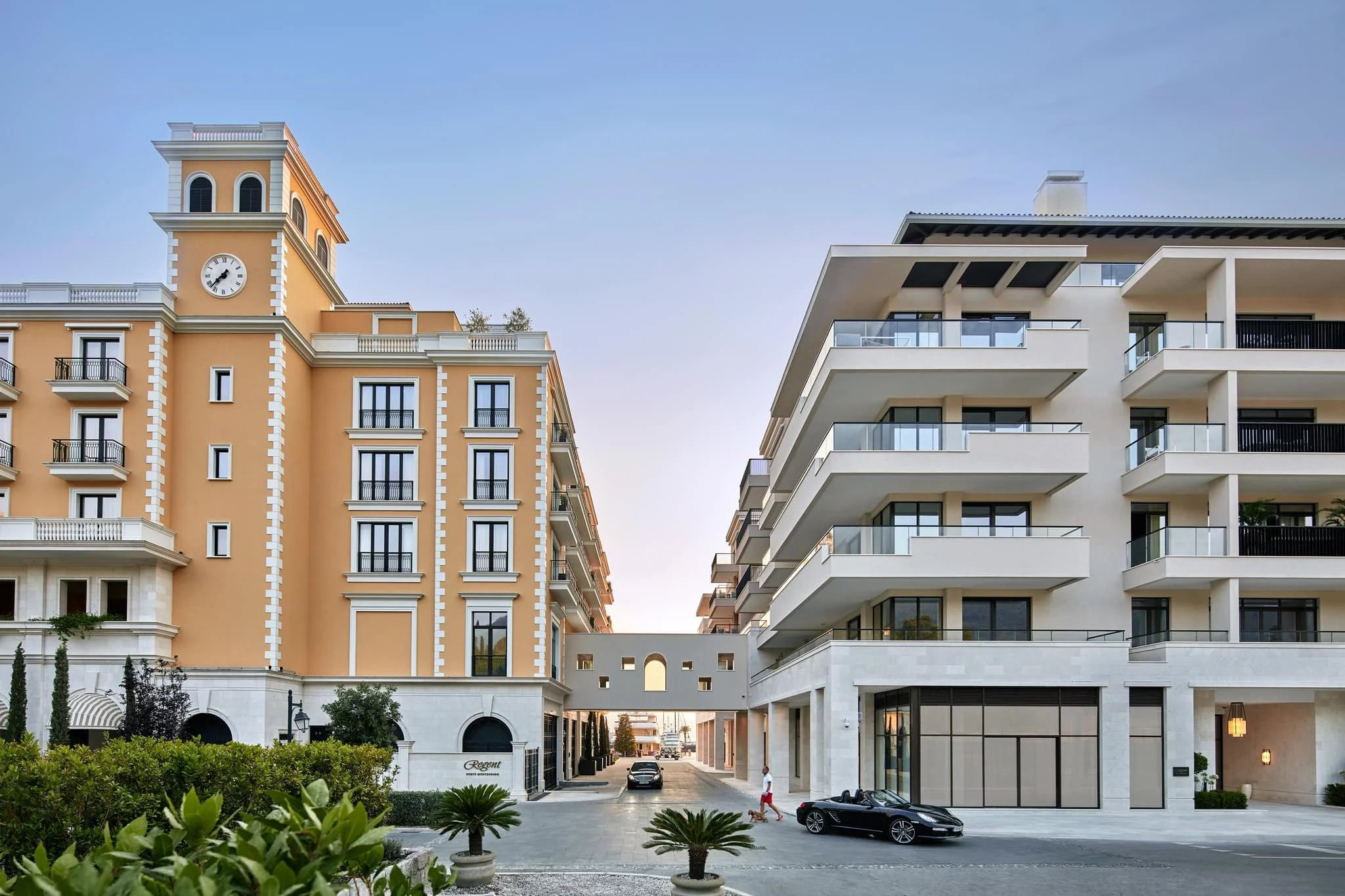
From Destination Positioning to Placemaking The two periods of work represent very different stages in the evolution of the same place. The original 2010–2019 involvement was concerned with helping establish, position and evolve Porto Montenegro as it developed from an emerging marina and residential project into an internationally recognised mixed-use waterfront destination. The 2026 commission addressed the challenges of maturity: how an established destination continues to improve once the major components are already in place. At this stage, relatively small decisions around arrival, planting, signage, terraces, street furniture, landscape and circulation can collectively have a significant effect on perceived quality. Public realm becomes more than an aesthetic consideration; it becomes part of the positioning and commercial performance of the destination itself. Porto Montenegro therefore represents a central principle behind the Green Healthy Places approach: Successful destinations require continual curation—aligning positioning, place, public realm, commercial activity and operations as they evolve.
Scope
2010–2019
Destination Positioning · Brand Strategy · International Marketing · Residential & Marina Positioning · Hospitality, Retail & F&B · Partnerships · Events & Activation · Product & Place Development
2026
Placemaking Strategy · Public Realm Audit · International Benchmarking · Arrival Experience · Wayfinding · Streetscape · Landscape Strategy · Retail & F&B Interfaces · Implementation Priorities
Roles
Head of Marketing / Brand Director, Porto Montenegro
Project Lead, Green Healthy Places